
Technology explained
How does a battery-powered portable coffee machine work?
Understand the verified preparation sequence of a battery-powered portable coffee machine without inferring unlisted internal structures or performance claims.
1. Power comes from the published battery configuration
A battery-powered portable coffee machine stores electrical energy for the operating sequence described for that model. TK Classic product pages publish battery and charging information separately for each model.
Battery capacity does not by itself prove charging speed, drink count or heating time. Those fields must be read from the same model record and confirmed against the selected configuration.
2. Coffee and water are loaded into compatible components
Before extraction, the user prepares the listed coffee container or adapter and adds water in the order shown in the operating instructions. Capsule and ground-coffee compatibility differs by model.
The adapter name matters. A general statement such as capsule compatible is not enough for a wholesale specification or a user guide.
3. Heating and pressure support extraction
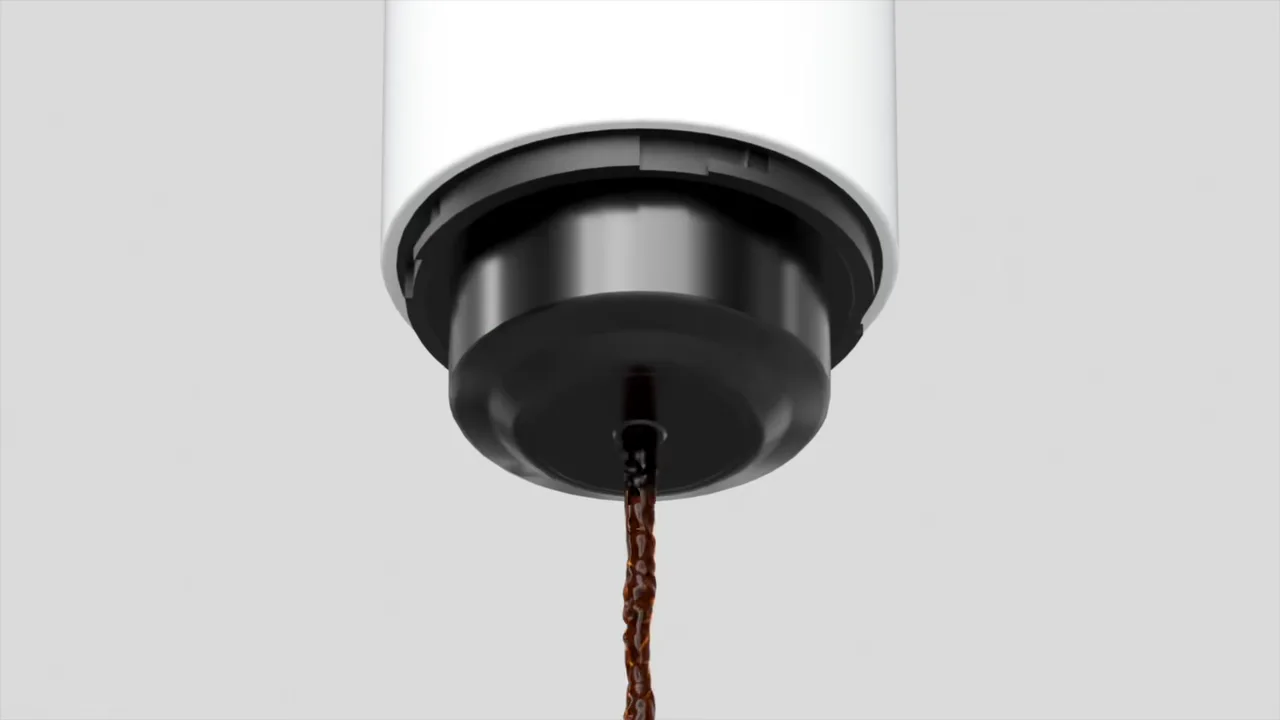
In the published DQ-010 presentation, the machine heats the water before pressure moves hot water through the prepared coffee and the extracted coffee flows into the cup. This describes the visible operating sequence, not an unverified claim about hidden internal parts.
The current TK Classic product records list a 25 bar platform, together with model-specific heating, battery and cup information.
4. The correct explanation stays model-specific
A clear technical explanation names the model, battery, charging, heat, cup and adapter information and links back to the product page. It does not transfer a figure from another machine because the silhouettes appear similar.
For OEM documentation, the operating sequence, labels, manual and included components should match the approved sample and quotation record.
Compare only model-specific information.
These values come from the current TK Classic product records. Open the product page for the full specification and matching images.
| Model | Position | Pressure | Battery | Cup | Charging |
|---|---|---|---|---|---|
| DQ-001 | Portable flagship | 25 bar | 9600mAh / 30Wh | 300 mL | About 180 minutes, USB Type-C |
| DQ-002 | Wholesale hero | 25 bar extraction platform | 9600mAh | Single-cup portable format | Type-C fast charging |
| DQ-005 | Multi-format model | 25 bar | 9600mAh | 300 mL | About 4 hours, 5V / 3A |
| DQ-008 | Double-cup design | 25 bar | 9600mAh / 7800mAh | 250 mL per cup, double-cup design | 4 hours, Type-C |
| DQ-010 | Premium LCD multi-format model | 25 bar | 9600mAh | 325 mL | About 2 hours, USB Type-C |
| DQ-011 | Premium gifting format | 25 bar | 9600mAh | 285 mL | 2 hours, Type-C |
Questions buyers ask before approval
Does the battery both heat water and support extraction?
The published model workflow uses the battery-powered machine for heating and extraction. Exact battery, heat and output information is model-specific.
Do all battery-powered portable machines use the same adapters?
No. The listed capsule, ground-coffee and drip components differ by model.
Can an animation prove an internal component design?
No. Presentation media explains the visible workflow. It should not be used to infer an unlisted internal structure, material or performance claim.
This guide uses current TK Classic product records and published OEM capabilities. Model pages remain the source of truth. Commercial terms and model-specific documents are confirmed in the quotation and inquiry process.
Turn this checklist into a model-specific quotation.
Send the model, quantity, target market, branding and accessory requirements. The sales team will confirm the open commercial items.