
B2B procurement worksheet
Portable Coffee Machines for Supermarket Buyers: A 4-Model Range Plan
Build a portable coffee retail range around model roles, shelf space and replenishment records, using four TK Classic models without assuming store approval.
Short answer
Portable Coffee Machines for Supermarket Buyers
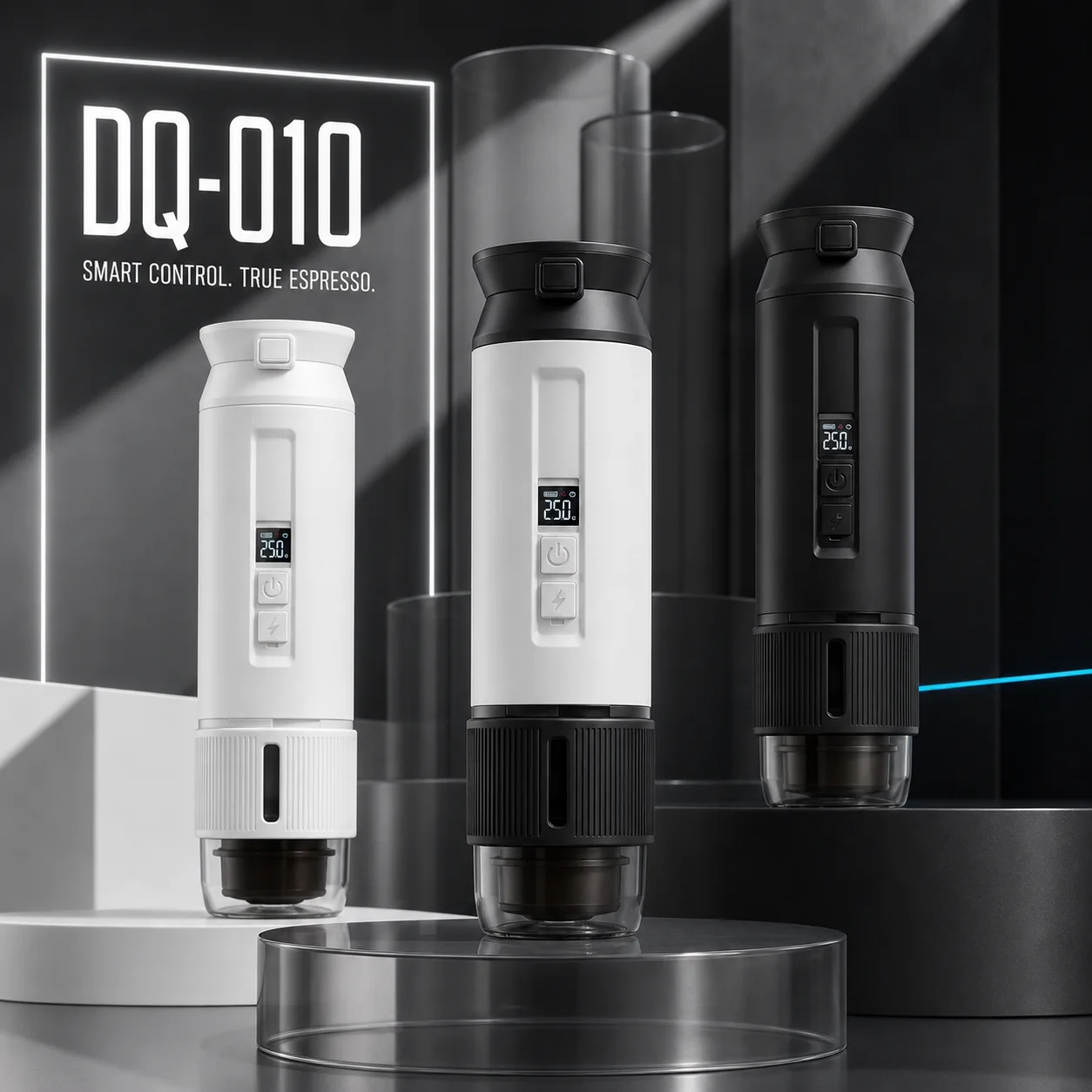
For a first supermarket range review, compare DQ-001, DQ-005, DQ-010 and DQ-011 as four separate SKUs. Present the machine, retail box, coffee format and approved sample together. A supplier quotation does not establish approval by a supermarket chain.
Start with the shopper decision at the shelf
A category buyer needs to know why a second portable machine belongs beside the first. Four similar boxes with different model numbers are a difficult range to explain. Begin with the question each SKU answers: a compact starting option, a travel-led offer, an LCD model, or a lighter machine.
These are proposed merchandising roles for review, not measured consumer preferences. Use a physical sample to check whether the difference is clear enough for your stores. It may be better to list two models initially and keep the other two as alternatives.
A four-SKU meeting sheet
The figures below are current supplier-provided whole-machine weights. They exclude retail packaging and are not shipment weights.
| Model | Machine weight | Range review question |
|---|---|---|
| DQ-001 | 949 g | Does this meet the entry brief? |
| DQ-005 | 949 g | Is its travel configuration distinct enough? |
| DQ-010 | 1082 g | Does the LCD presentation add value in store? |
| DQ-011 | 869 g | Is lower machine weight relevant to this range? |
Separate three stock uses
Write three quantities on the range sheet: saleable units, demonstration units and any stock reserved for support. A 16-unit commercial trial does not tell you how many stores to open. If one machine is kept for a buyer demonstration, it is no longer available for a customer order.
Record the allocation before calculating launch coverage. Store count, units per store and central reserve must add up to the number actually purchased. Mixed-model orders need their own confirmed packing plan.
Prepare the retail handover
Attach approved artwork, the exact accessory list, instructions and model-linked document requests to each SKU. Confirm who supplies product photography and who approves the wording printed on the box. Do not copy the cup capacity, charging statement or report coverage from one model to another.
TK Classic can discuss wholesale and OEM/ODM scope for these portable models. Retailer onboarding, category acceptance and the timing of a store listing remain separate buyer decisions.
- One approved sample reference per SKU.
- One retail-box revision per production order.
- One named contact for replenishment changes.
Questions buyers ask before approval
Must a supermarket launch all four models?
No. Four models create a comparison set. The buyer can select fewer SKUs after reviewing samples, shelf space and the proposed range roles.
Does TK Classic supply an approved supermarket listing?
A wholesale quotation is not a supermarket listing approval. The buyer must complete the chosen retailer's onboarding and product review.
Can display machines count as saleable launch stock?
Only if they remain suitable and approved for sale. Keep demonstration units separately identified when planning store coverage.
This guide uses current TK Classic product records and published OEM capabilities. Model pages remain the source of truth. Commercial terms and model-specific documents are confirmed in the quotation and inquiry process.
Turn this checklist into a model-specific quotation.
Send the model, quantity, target market, branding and accessory requirements. The sales team will confirm the open commercial items.